Making computation
useful.

Hi, I’m a computer scientist working on AI for science and the public life of algorithms.

I build methods for molecular discovery and study how computational systems shape scientific and public decisions.

Austin Clyde smiling outdoors
University of Chicago
Ph.D. in Computer Science
Argonne National Laboratory
Computational scientist, 2019–23
Harvard Kennedy School
Visiting STS fellow, 2021–22

AI for scientific discovery.

Molecular discovery, AI-guided sampling, and representations of chemical space.

Computational drug discovery

Molecular discovery at scale

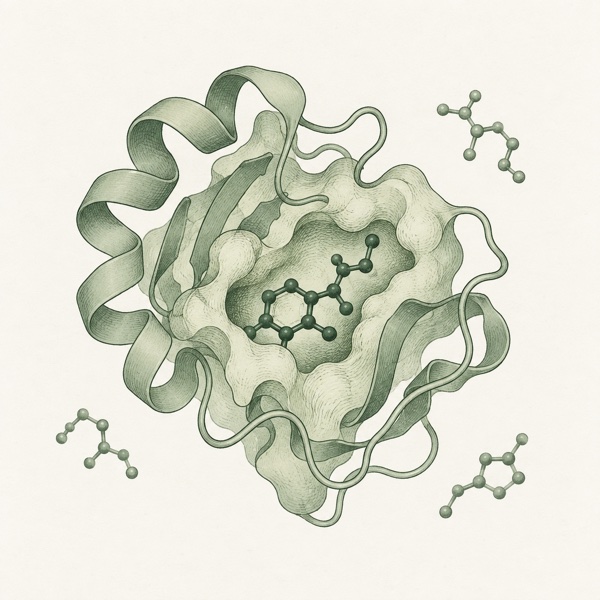
We screened over 6.5 million compounds and identified a SARS-CoV-2 main-protease (3CLpro/Mpro) inhibitor, validated by biochemical assays and crystallography. A separate AI-docking study reported 100× acceleration with no significant change in detection.

First & corresponding author · Mpro study, JCIM 2022
Coauthor · Docking study, Scientific Reports 2023
AI-guided sampling & exploration

Learning where to explore next

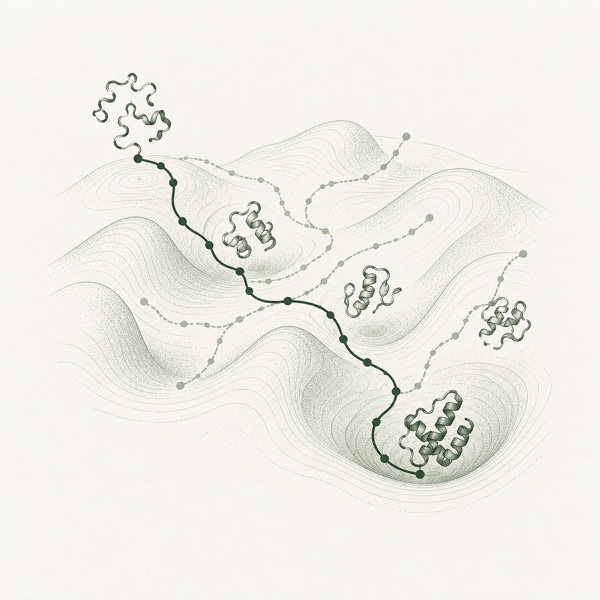
My work spans reinforcement learning for molecular modeling with RLMM and AI-driven protein simulations. I also contributed to GenSLMs, which uses genome-scale language models to study viral evolution.

Coauthor on 2020 & 2022 ACM Gordon Bell Special Prize research

RLMM
AI-driven simulations

Gordon Bell Special Prize · 2020

GenSLMs

Gordon Bell Special Prize · 2022

Chemical-space representations

Organizing chemical space

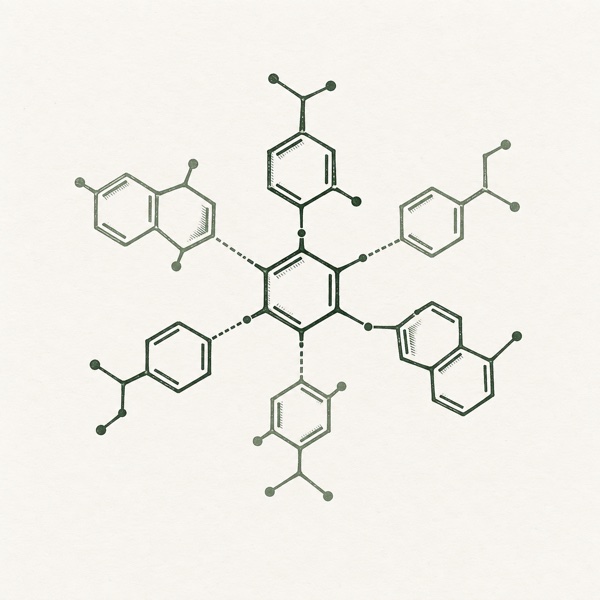
I use graphs and hypergraphs to connect fragments, scaffolds, and compounds. With ChemoGraph, we built an interactive tool to explore related molecules and generate candidates beyond an existing database.

First author · Scaffold Embeddings & SIMG
Coauthor · ChemoGraph, 2023

EuroVis 2023 Best Paper Honorable Mention

ChemoGraph
Scaffold Embeddings

Preprint · 2021

SIMG

Preprint · 2021

AI, institutions & public life.

I study how algorithmic systems are governed and what institutions owe the public.

Accountability

Can human reviewers challenge automated decisions—and who bears responsibility for the systems they oversee?

Democracy & human rights

How platform design shapes democratic life, human rights, and public legitimacy.

AI, Algorithms, and Human Rights

A course and conference on the social consequences of AI, profiled in 2024.

Pozen Center profile

The social organization of AI

The human work behind AI: how researchers collaborate and who can participate in producing scientific knowledge.

The Prompt Engineer’s Paradox

The hidden human effort behind AI systems.

STS Circle talk

Let’s compare notes.

aclyde11@gmail.com